
Postpartum Care After a Home Birth
Home Birth Postpartum Care: What Happens After the Baby Arrives?
The birth of the baby is not the end of a home birth plan. The first hours and days include the mother's recovery, feeding support, newborn observation, rest, paperwork, screening, and follow-up with qualified professionals. Families should know who is responsible for each step before labor begins.
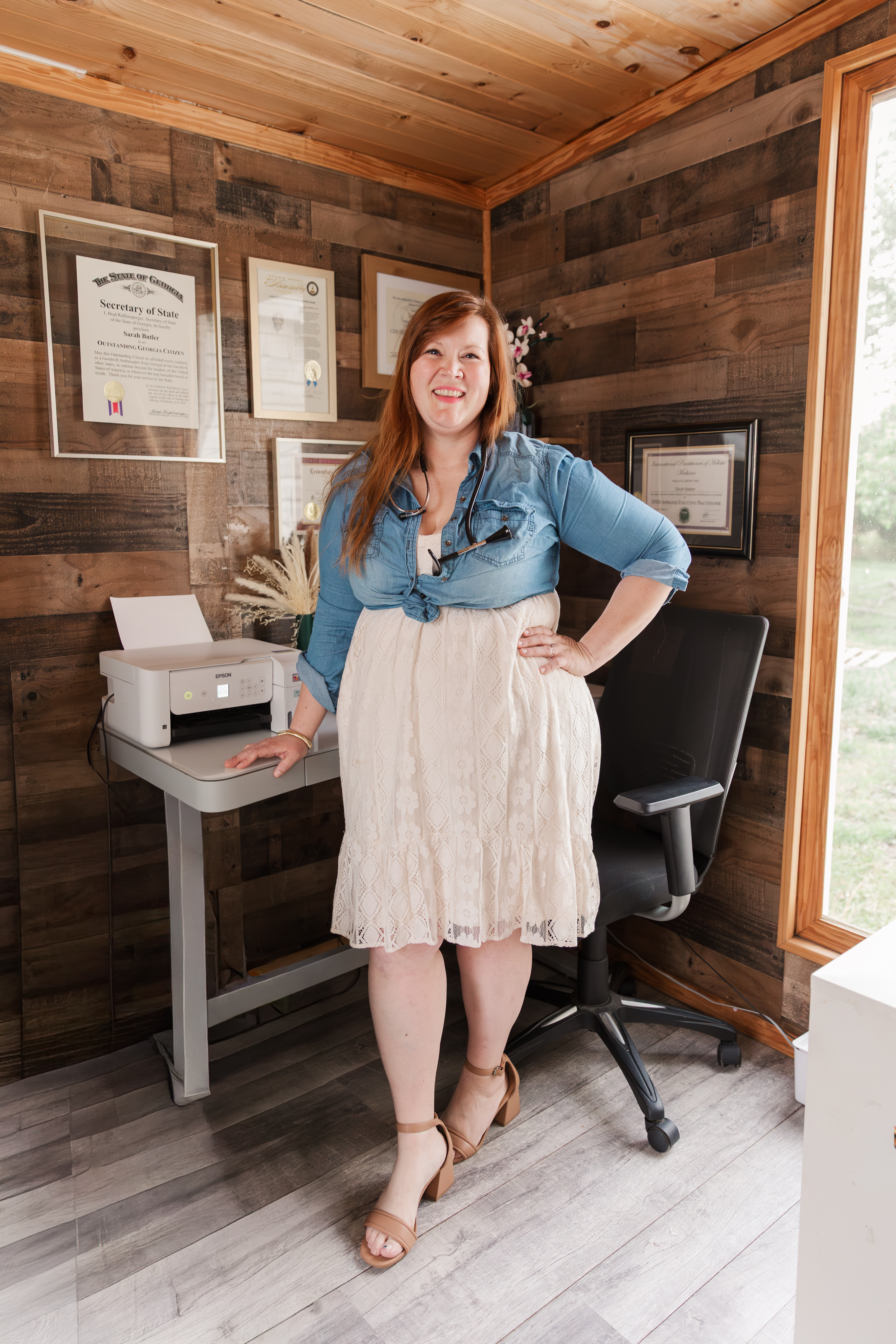
What happens in those first hours depends on who is attending and on the plan you made together. I am a midwife and wellness educator, not a physician or nurse. What follows is what to expect and what to ask, not a description of every service every birth team provides.
Key Takeaways
The postpartum plan should name who checks the mother, who checks the baby, and who provides follow-up.
Georgia newborn screening and birth-registration steps should be arranged before the due date.
Families need a pediatric plan even when the birth and first hours go smoothly.
Urgent warning signs require immediate healthcare or emergency handoff.
What Happens in the First Hours?
After a planned home birth, the attending birth professional follows the mother and newborn according to training and the care plan agreed in advance. Families should ask in advance how long the professional remains, what observations are made, what records are created, and what would lead to a higher level of care.
The mother may be focused on warmth, rest, food, comfort, and beginning to feed the baby. The household should protect the space from unnecessary activity. A support person can manage phones, visitors, food, linens, pets, and older children so the mother is not expected to coordinate everything herself.
What Should the Mother's Recovery Plan Cover?
A recovery plan should include rest, food, hydration, help getting to the bathroom, and a way to reach the responsible professional with questions. It should also include written warning signs and clear instructions for urgent care. General wellness support does not replace postpartum follow-up from qualified healthcare professionals.
The CDC lists urgent maternal warning signs that can occur during pregnancy and up to a year after birth. Examples include severe headache, vision changes, fever, trouble breathing, chest pain, heavy bleeding, severe swelling, and thoughts of harming oneself or the baby. Families should review the complete CDC list and know where they will seek care.
What Should the Newborn Plan Include?
Families should know who is responsible for the newborn's immediate assessment, who will provide pediatric follow-up, and when the first appointment will occur. The American Academy of Pediatrics' parent site lists a first-week well-child visit at about three to five days of age.
Questions should cover feeding, urine and stool patterns, temperature, breathing, skin color, alertness, weight checks, and whom to call when something seems wrong. A blog cannot teach a parent to perform a newborn examination. Concerning signs require a prompt handoff to an appropriate healthcare professional.
How Does Newborn Screening Work in Georgia?
The Georgia Department of Public Health states that the newborn screening program includes blood screening, hearing screening, and screening for critical congenital heart disease. Families planning an out-of-hospital birth should arrange who will complete or coordinate each screening and how results will reach the baby's healthcare professional.
The plan should be written down before birth. Ask where the specimen or screening occurs, the recommended timing, who follows up on results, and what happens if a screening is missed or needs repeating. Do not assume every task is automatically handled because a midwife attended the birth.
What Does a Good Hospital Handoff Look Like?
A good handoff is calm, organized, and focused on getting the mother or baby the level of care needed. It includes a concise summary, relevant records, the reason for the handoff, and communication with the receiving team when possible. Families should know which hospital is normally used and when 911 is the correct choice.
The word handoff helps reinforce continuity. The family is not abandoning its birth plan; it is moving to a setting with different resources. The plan should also address transportation, who stays with the mother, who accompanies the baby if care paths separate, and who updates family members.
What Support Helps During the First Week?
The first week works better when help is assigned. One person can manage meals, another can handle laundry or older children, and a trusted contact can organize updates. The mother should not have to host visitors or prove that she is recovering well.
Peachy Wellness offers education, faith-centered encouragement and practical support for recovery. If I am not the midwife attending your birth, then the checks, the testing and any emergency care belong to whoever is.
Where postpartum care happens matters as much as what it covers. If you are planning a birth at home, you can read how I care for families in Macon, Warner Robins, Griffin, Newnan and Fayetteville.
Frequently Asked Questions:
Do families always go to a hospital after a planned home birth?
Not automatically. The handoff plan explains which maternal or newborn concerns require hospital care. Individual decisions belong with qualified professionals.
Who completes newborn screening after a home birth?
Responsibility depends on the birth plan and local arrangements. Georgia families should confirm the process, timing, location, and follow-up before the due date.
When should the baby see a pediatric professional?
The AAP parent schedule includes a first-week visit at about three to five days. A baby with concerning signs may need care sooner.
Can a wellness coach provide postpartum medical care?
No. Wellness education and coaching do not replace maternal or newborn healthcare.
Final Thoughts
A complete home birth plan continues through the postpartum period. The strongest preparation names responsibilities, arranges newborn screening and pediatric follow-up, protects the mother's rest, and makes the hospital handoff process clear before it is needed.
Peachy Wellness can support education and daily restoration without sounding like a clinic. Clear scope, accurate credentials, and direct safety language build trust.
If you are planning ahead and want to talk about what postpartum support would look like for your family, get in touch. Everything Peachy Wellness offers is on the home page.
Important Note
This article is for general education and support. Peachy Wellness offers wellness education, coaching, and midwifery-informed support. Sarah Butler is a midwife and wellness educator, not a physician or nurse. This information does not diagnose, treat, cure, or prevent any condition and does not replace individual care from a licensed healthcare or mental health professional. If there is immediate danger, thoughts of self-harm or harming a baby, confusion, hallucinations, or another emergency, call 911 or go to the nearest emergency room.
Sources
CDC: Urgent Maternal Warning Signs
Georgia Department of Public Health: Newborn Screening
American Academy of Pediatrics: Well-Child Visit Schedule